




Master Your Future

In a fast-changing economy marked by disruption, today’s working professionals need to equip themselves with relevant skills, or risk being left behind. Acquiring the right knowledge and education will also allow them to capitalise on the opportunities presented by the shift in global power to Asia.
Across the world, the nascent Fourth Industrial Revolution — underpinned by digital transformation — is fundamentally altering the nature of work. There is a fear that many tasks carried out by humans today will be taken over by machines in the near future. Indeed, this is to some extent already happening, even if the hand-wringing tends to be overblown.
The World Economic Forum’s Future of Jobs Report 2018 anticipates that by 2022,
75 million jobs, mostly those involving data processing and information search and transmission tasks, may be displaced due to technological obsolescence. At the same time, 133 million new roles may emerge in tandem with the new wave of technologies, such as data analysts, software and app developers, and e-commerce and social media specialists.
Perhaps more concerning is that educational systems have had difficulty keeping pace with the changing work landscape. In a survey by consulting firm McKinsey, 40 per cent of employers cited lack of skills as the main reason for entry-level job vacancies, while 60 per cent believed that new graduates were not adequately prepared for the workforce. At least one in four workers in Organisation for Economic Co-operation and Development (OECD) countries has also reported a mismatch between their existing skills and the qualifications required for their jobs.
In light of these developments, continuous or lifelong learning has become vital for long-term career success and, by extension, a crucial pillar of higher education. Working adults across all industries are increasingly going back to university and embarking on postgraduate programmes to reskill and upskill themselves.
DEVELOPING PROFESSIONALS HOLISTICALLY
Many options are available to help busy professionals keep abreast of new developments in their field, be it reading a book, attending a conference or workshop, or taking a short course. However, unlike a formal degree programme, these ‘quick fixes’ do not offer much opportunity to build deep knowledge in a specific discipline while also practising the hard and soft skills needed to navigate the new world of work.
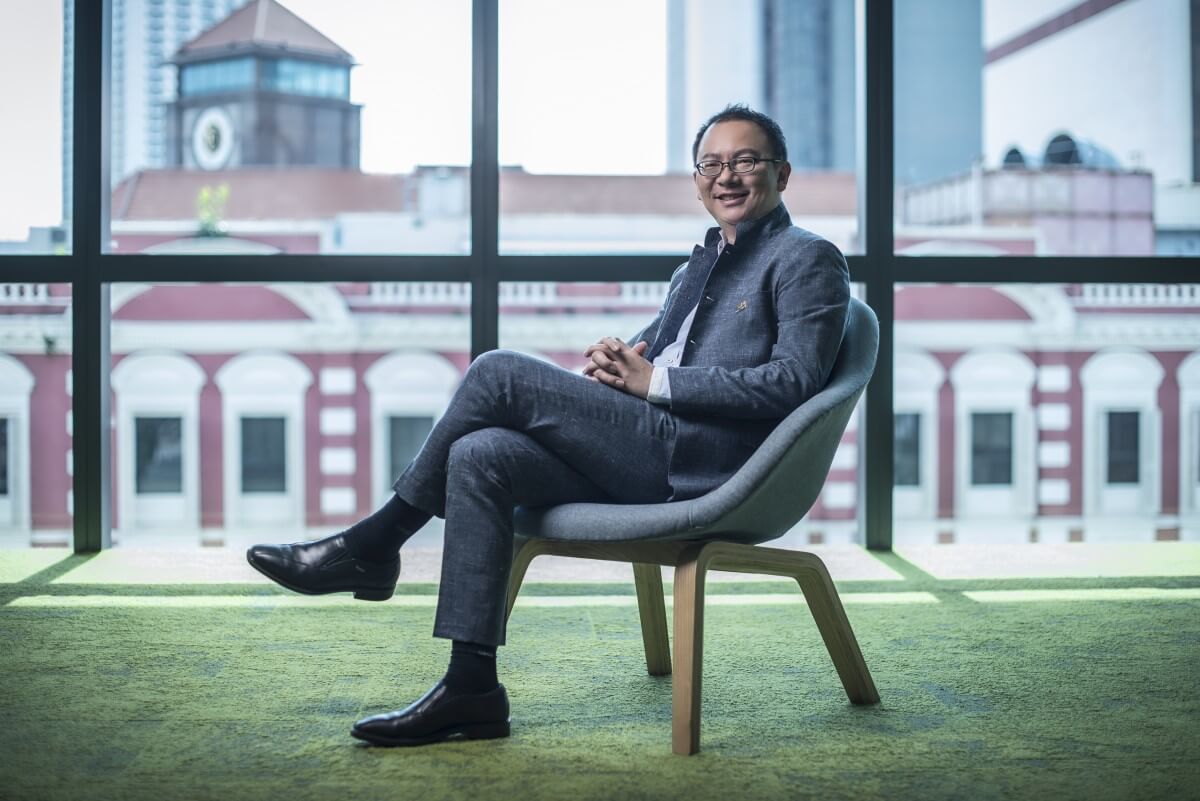
“Beyond technical skills, the jobs of the future will demand a healthy dose of agility and flexibility to deal with structured and unstructured problems, as well as creativity to find solutions and take advantage of advancements in technology,” said Professor Themin Suwardy, Dean of Postgraduate Professional Programmes at Singapore Management University (SMU).
Being a specialised university focused on management, social sciences and technology, and their intersection, SMU’s Master’s programmes are increasingly practice-oriented. Real-world learning is provided through a mix of case studies, project-based assignments, consultative experiences and internships. SMU Master’s students also learn interpersonal and organisational skills that cut across disciplines through its Professional Development Workshops.
Graduate students are encouraged to gain knowledge related to their original area of expertise, which Prof Suwardy called “adjacencies”, to widen their skillsets and help them understand the world more fully. For example, given the game-changing importance of data analytics and knowledge of business, these are two practical adjacencies that SMU Master’s students from various disciplines are keen to learn.
THRIVING IN THE ASIAN CENTURY
According to the Financial Times, this year will see Asia’s GDP (in purchasing power parity terms) overtake the GDP of the rest of the world combined. While China and India account for a large part of this trend, the Association of Southeast Asian Nations (ASEAN) is emerging as a not-so-dark horse as well. ASEAN is poised to become the fourth-largest economy in the world by 2030, behind the United States, China and the European Union.
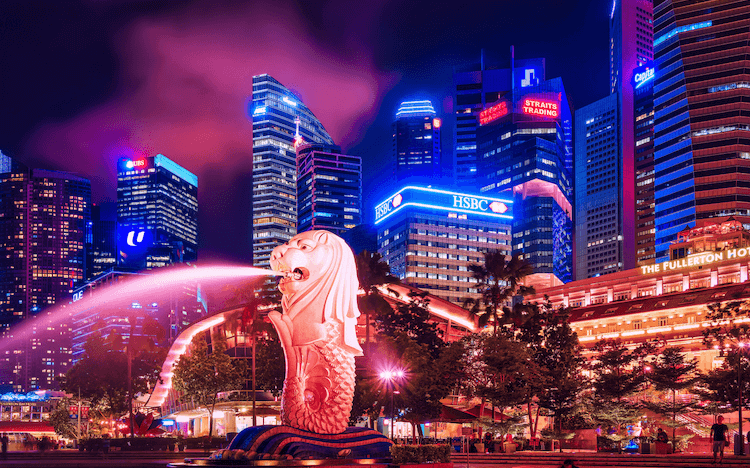
With Asia set to be the major engine of economic growth over the next few decades, there is a need for regional business leaders who can create, sustain and develop companies that drive this growth. Being based in Singapore, the business epicentre of Asia, gives SMU postgraduate students a better vantage point from which they can go on to become entrepreneurial leaders in the new economy.
Said Prof Suwardy: “Asia is complex, with many different leadership styles across the region, and even within the same country. So understanding and leading in Asia is all about context. Asian leaders need to be able to work across cultures and regions, and integrate know-how with a multi-disciplinary perspective.”
In these times, then, a Master’s degree entails more than simply completing a set number of courses. “We want to transform students in terms of their world views, competencies, strategic vision, spirit of collaboration and appetite for problem-solving,” said Prof Suwardy. It is about imbuing professionals with skills that will stay with them “beyond their current projects at work, their next posting or their next career move.”
This article was reproduced with permission from channelnewsasia.com (March 6, 2020)
https://www.channelnewsasia.com/news/brandstudio/smumasters/masteryourfuture.
Find out more about SMU's postgraduate programmes at SMU Masters Day ONLINE on 3 October 2020. Register here!