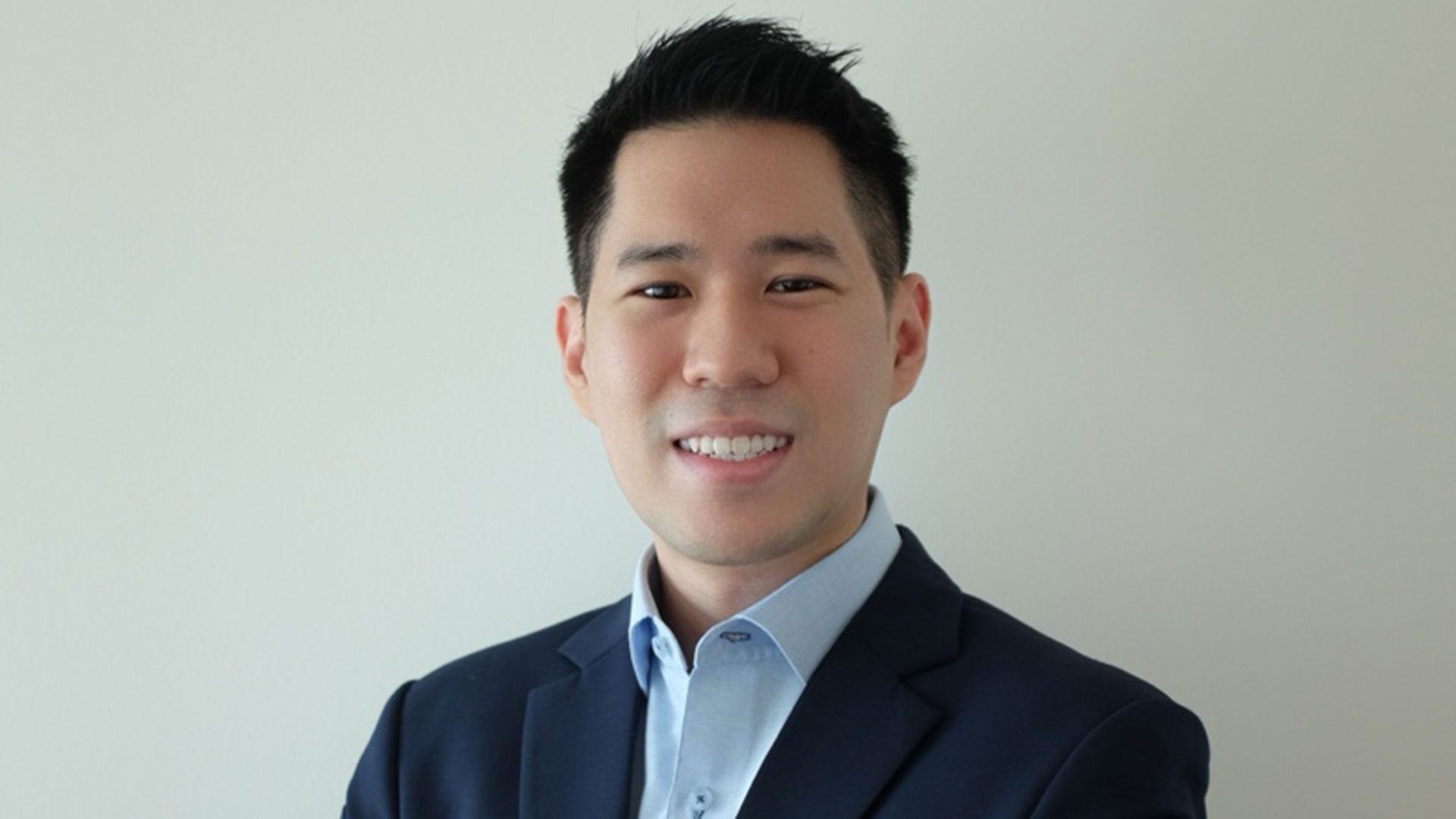





Allister entered the SMU MBA with a decade of experience in Singapore’s public healthcare system, having worked across strategy, organisational development, hospital operations and innovation. He understood complex systems and disciplined execution but sensed that the next phase of his leadership journey required a broader strategic lens and the confidence to influence beyond familiar environments.
Allister graduated with a life sciences degree. He had built a career by learning on the job, stretching himself in unfamiliar functions, and adapting quickly to new types of work. But as he began stepping into leadership roles at Tan Tock Seng Hospital, he realised he needed something he couldn’t pick up from routine cycles – to learn the language of leadership.
Allister was looking for a broader lens to understand how organisations outside of healthcare think, and a way to break out of the comfort of familiarity and test who he could become.
The SMU MBA became the place where that shift happened for him.
Choosing SMU: A Decision to Expand, Not Escape
He chose SMU not to step away from healthcare, but to expand his leadership toolkit. “I wanted to be a better leader for my organisation,” he shared. “I needed systems thinking, financial fluency, stronger interpersonal skills - everything I never learnt formally because my undergrad was in life sciences.”
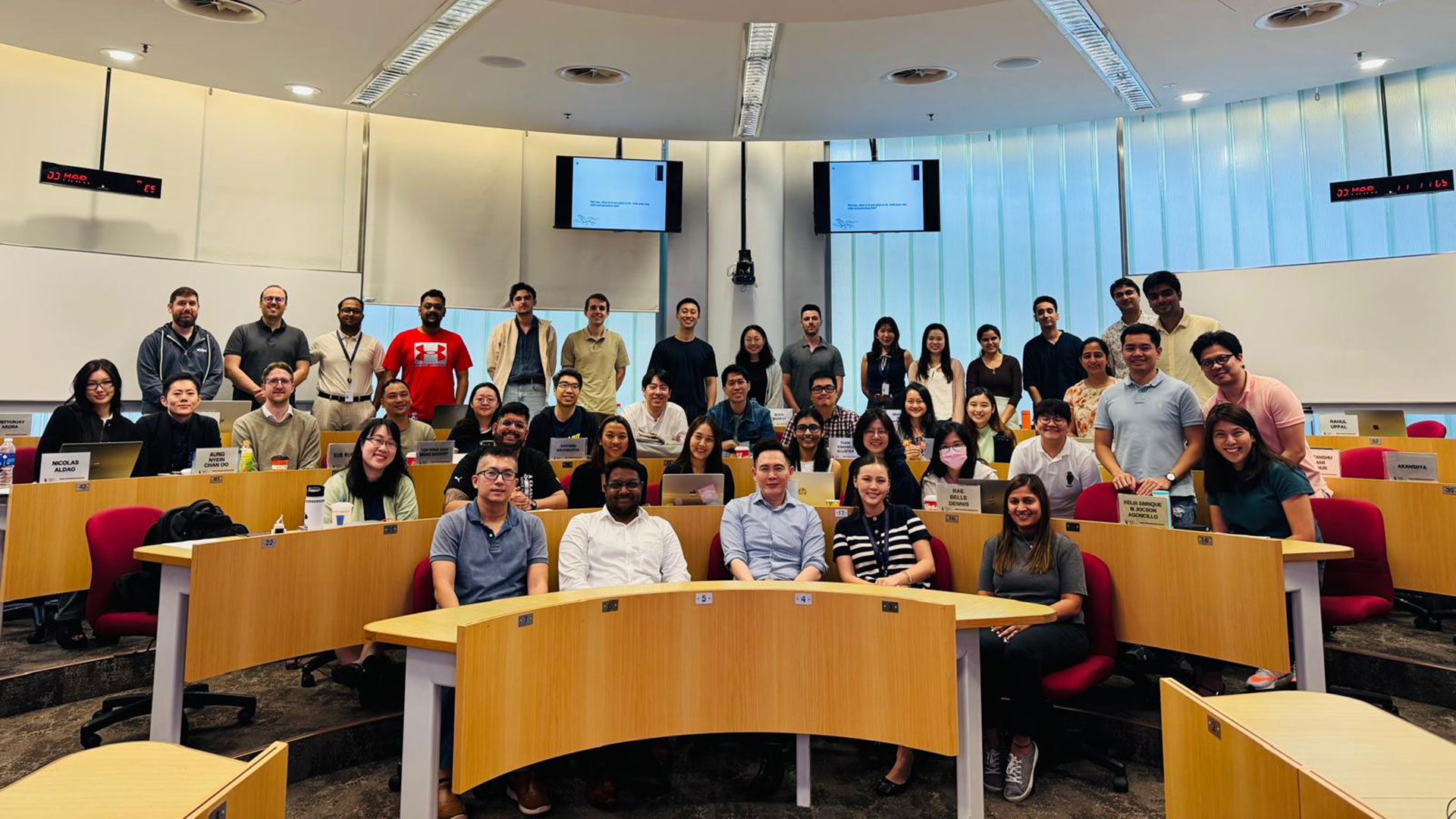
He chose SMU because of the seminar-style learning the MBA programme offered, the expectation to contribute rather than observe, and the diversity of backgrounds in the cohort. All of this gave him something he thought was missing from his career so far – contrasting opinions, challenges, and the opportunity to learn from a cohort that had lived working experiences different from his own. “The healthcare industry is the only place that I’ve only worked in before,” he admitted. “After 10 years in the same industry, I needed to see the world outside healthcare.”
Learning in Reverse: When the Hardest Subjects Become the Most Transformative
Allister expected to struggle with the quantitative modules; he laughed as he recalled trying to memorise formulas in finance, revisiting accounting concepts he never thought he would need, and revisiting operations from a fresh, more strategic angle. But something unexpected happened.
Instead of feeling defeated, he found himself seeing business through new eyes. Terms like ROI, valuation, and cost structures were no longer abstract. They became tools he could use to speak to colleagues in different departments, to understand decisions made at the organisational level, and to build bridges across teams that once felt distant.
“I didn’t need to become an expert,” he said. “I just needed to understand enough to speak the language. And once I could speak it, suddenly I was confident to make decisions to lead better.”
This humility, the willingness to be a beginner again, became one of the defining traits of his MBA journey.
An Internship That Rewired His Thinking
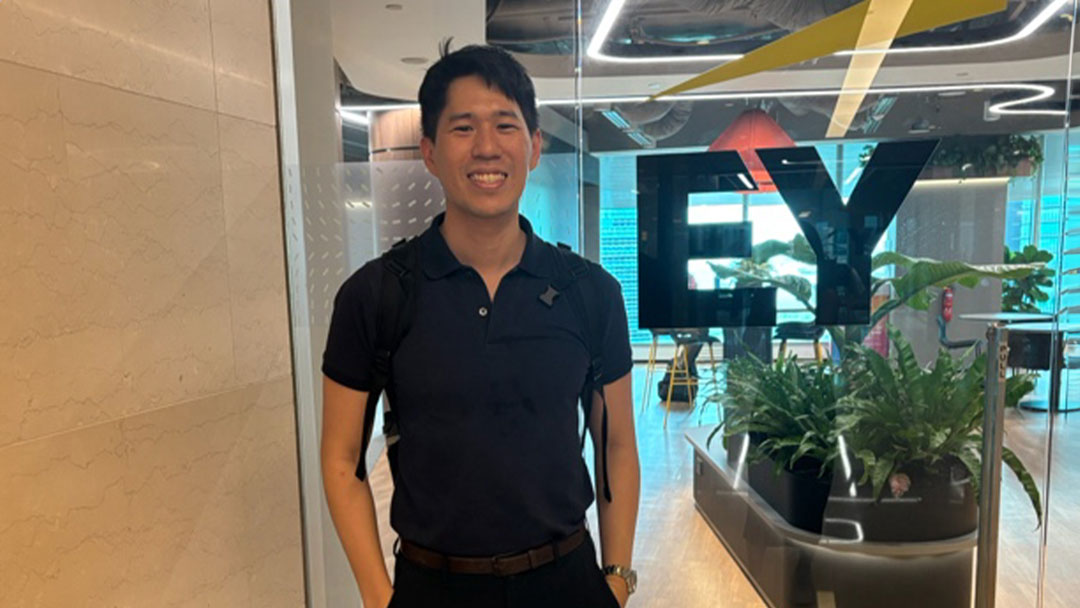
When Allister secured an internship at EY, it marked the first professional step he had ever taken outside healthcare. Consulting was the opposite of hospital operations: less linear, less hierarchical, and far more open to creativity.
“In healthcare, you follow SOPs. You rely on processes,” he explained. “But in consulting, there isn’t one correct answer. You’re expected to ask better questions, not just find faster answers.”
The internship reshaped how he approached ambiguity and problem-solving. He was able to ideate, experiment and understand how ambiguity could sometimes be a strength. The MBA internship allowed Allister to grow more confident and fully embrace different thinking perspectives.
The Classroom Challenge He Didn’t Expect: Leading Without Authority
When asked about the toughest part of the MBA, Allister didn’t mention exams or grades. He mentioned people. Working with classmates from dozens of industries, cultures and seniority levels forced him to rethink what influence really means. Typically, he had worked in environments where teams aligned easily because they shared the same norms. In the MBA, every group project came with different expectations, different working styles, and different definitions of what “good” looked like.
“It made me realise that leadership isn’t about your title,” he said. “It’s about credibility, empathy, and the way you show up for people, even when you’re all equals.”
He found himself experimenting with new ways of influencing. Less authority, more curiosity. Less pushing, more listening. Less convincing, more connecting. All of this slowly allowed him to develop a deeper form of confidence, one that came not from expertise, but from presence.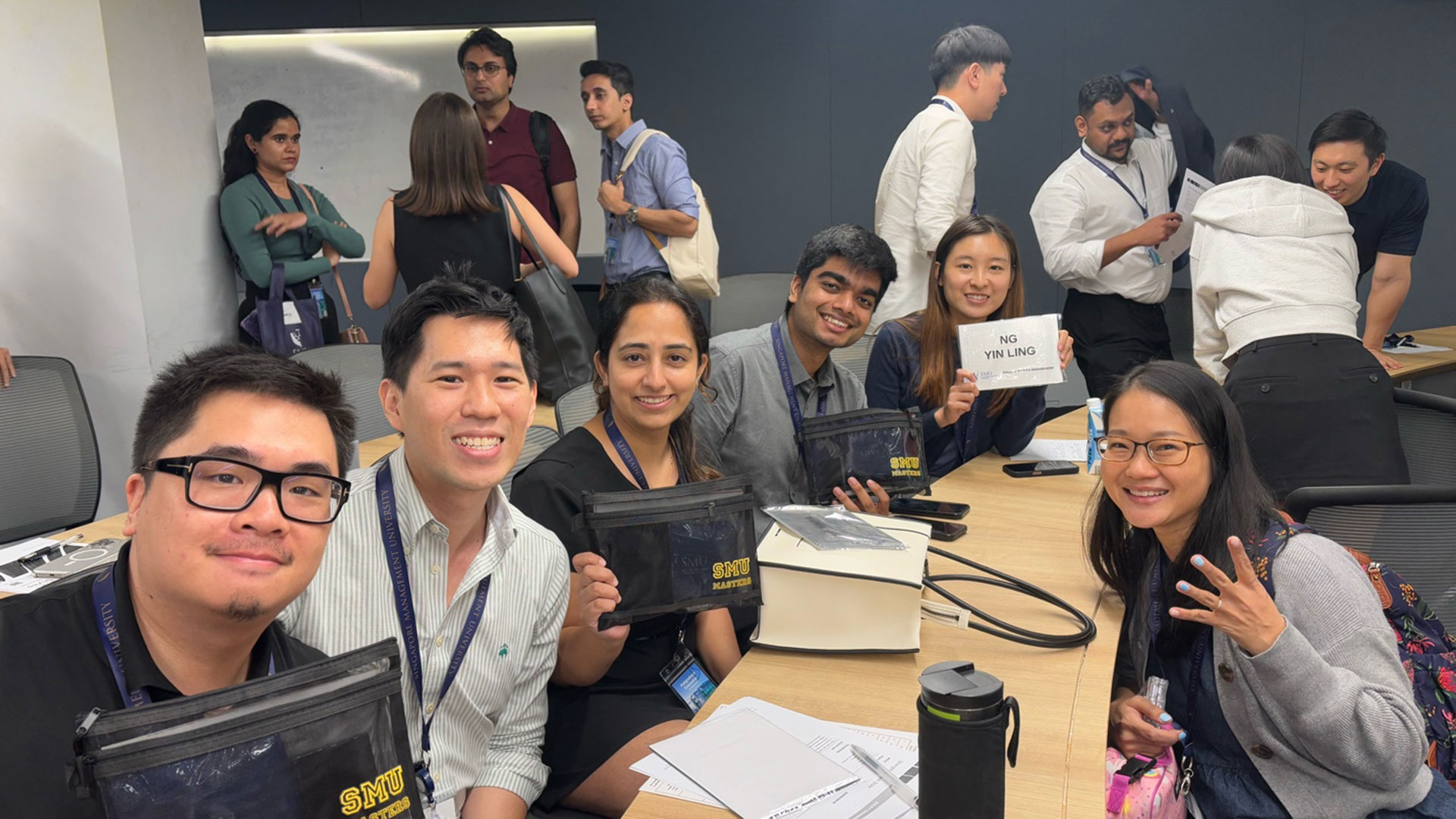
Seeing Leadership Through a Frame of Empathy
One of Allister’s biggest revelations didn’t come from a technical module. It came from the MBA’s human-centric subjects like organizational behaviour and managing teams.
For years, he assumed being a strong leader meant being assertive, decisive, and clear about his agenda. But as he listened to classmates share painful mistakes, cultural blind spots, team conflicts and personal biases, he realised leadership was never only about direction.
It was about empathy.
“Empathy wasn’t something I expected to learn,” he reflected. “But it changed everything. It changed the way I listen, the way I guide, the way I choose to work with people.”
Apart from making him sharper, Allister feels the MBA has also made him softer in the best, most authoritative way.
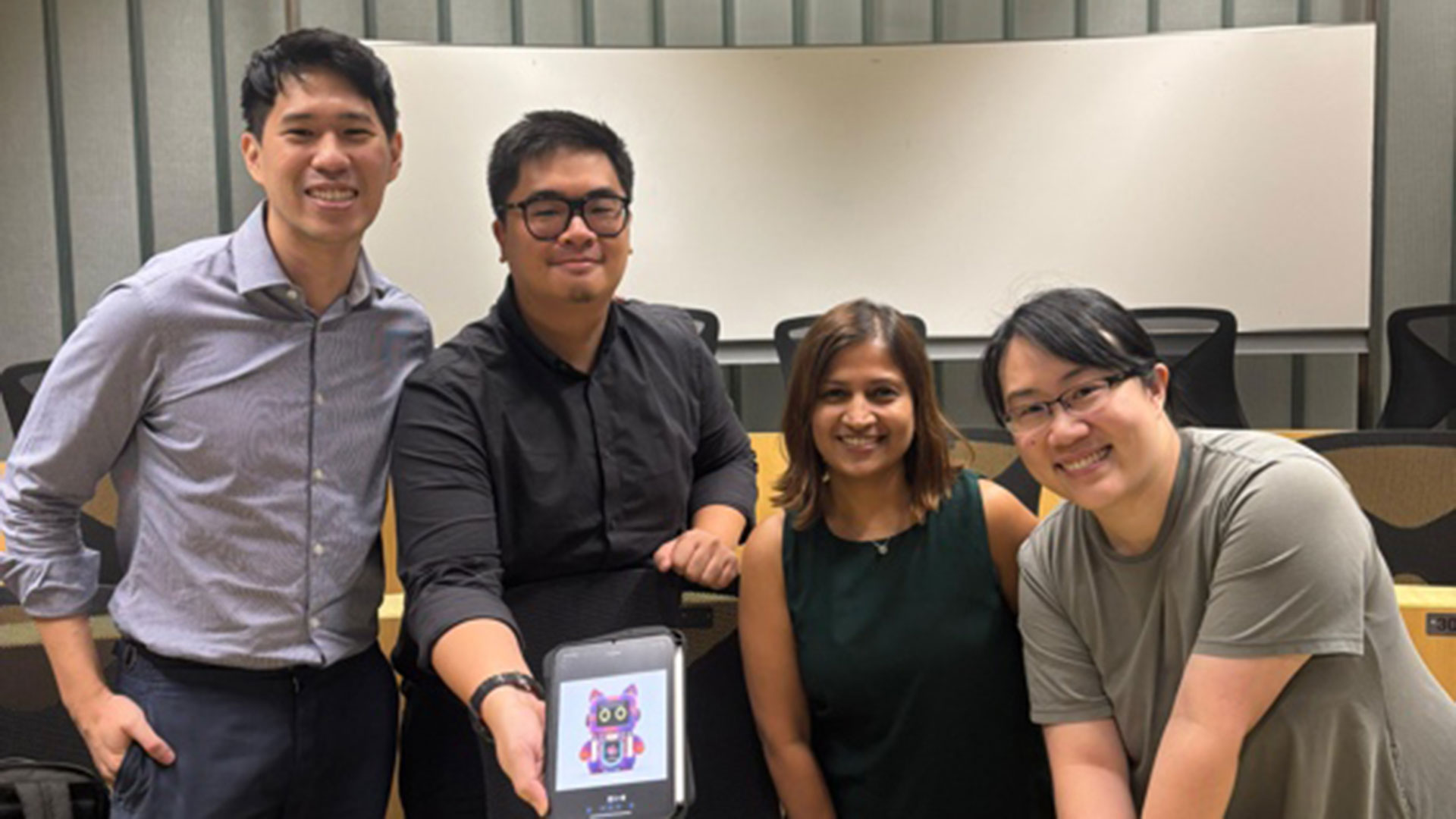
Outside the Classroom: Moments That Shift How You See the World
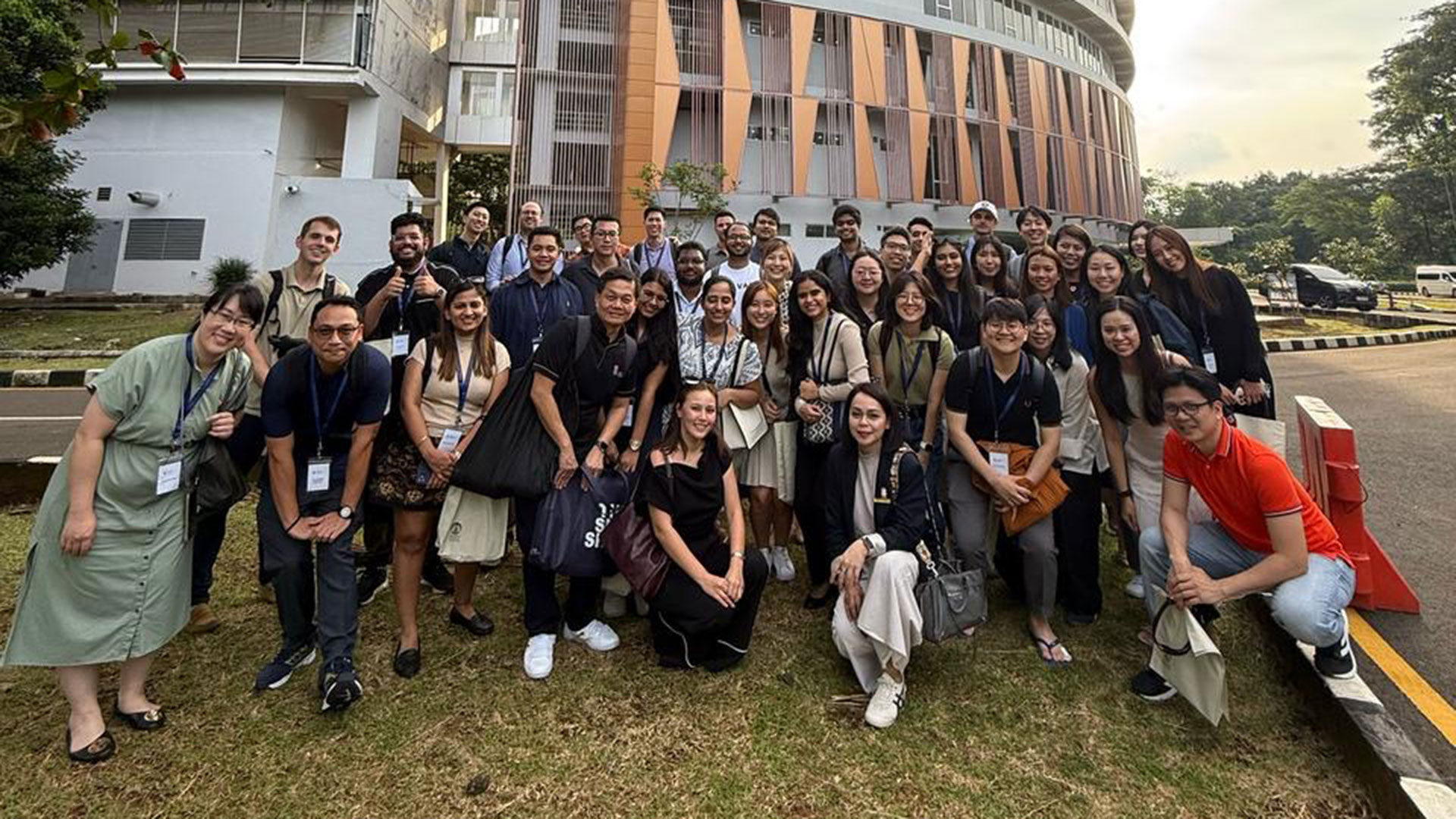
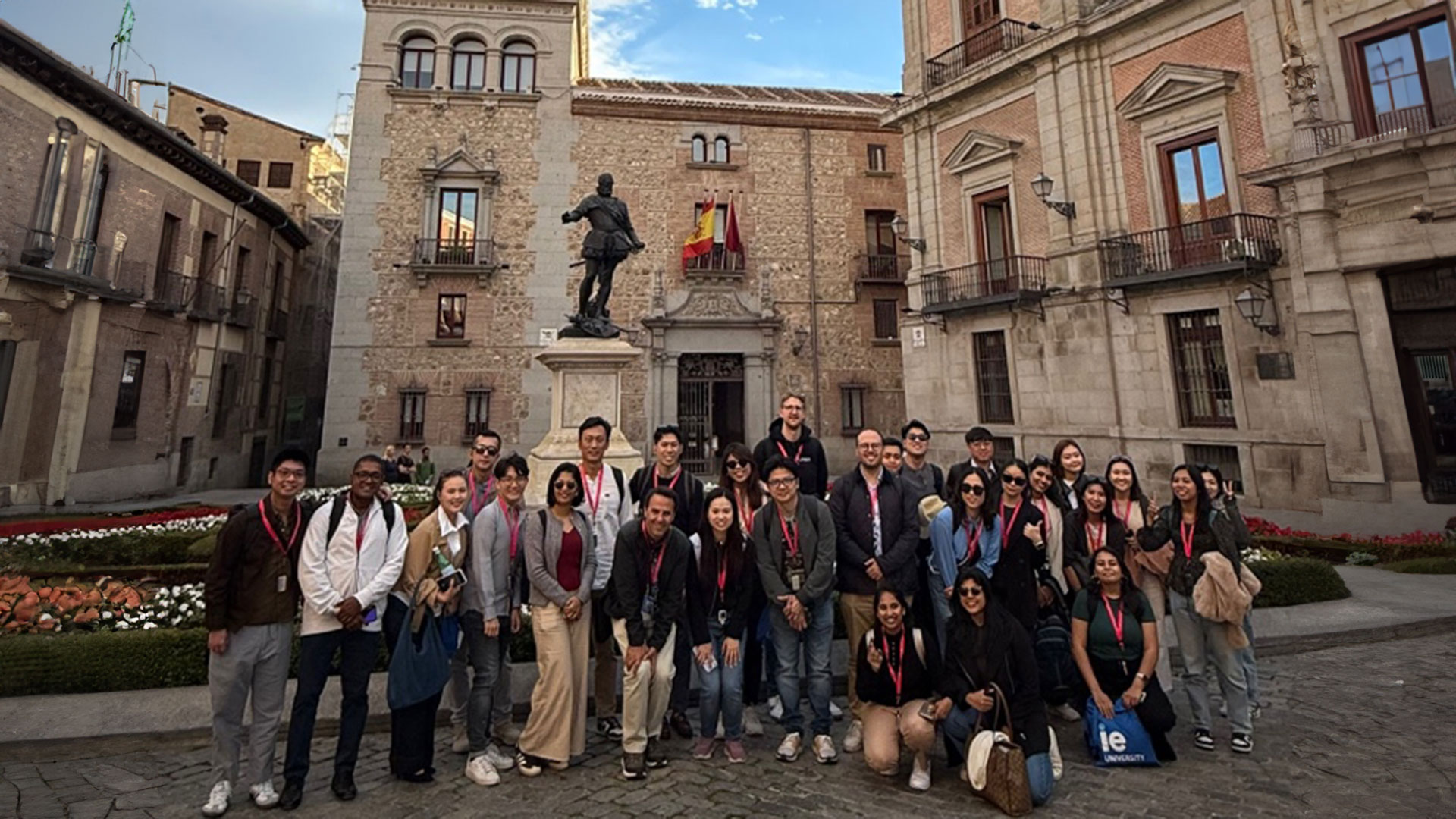
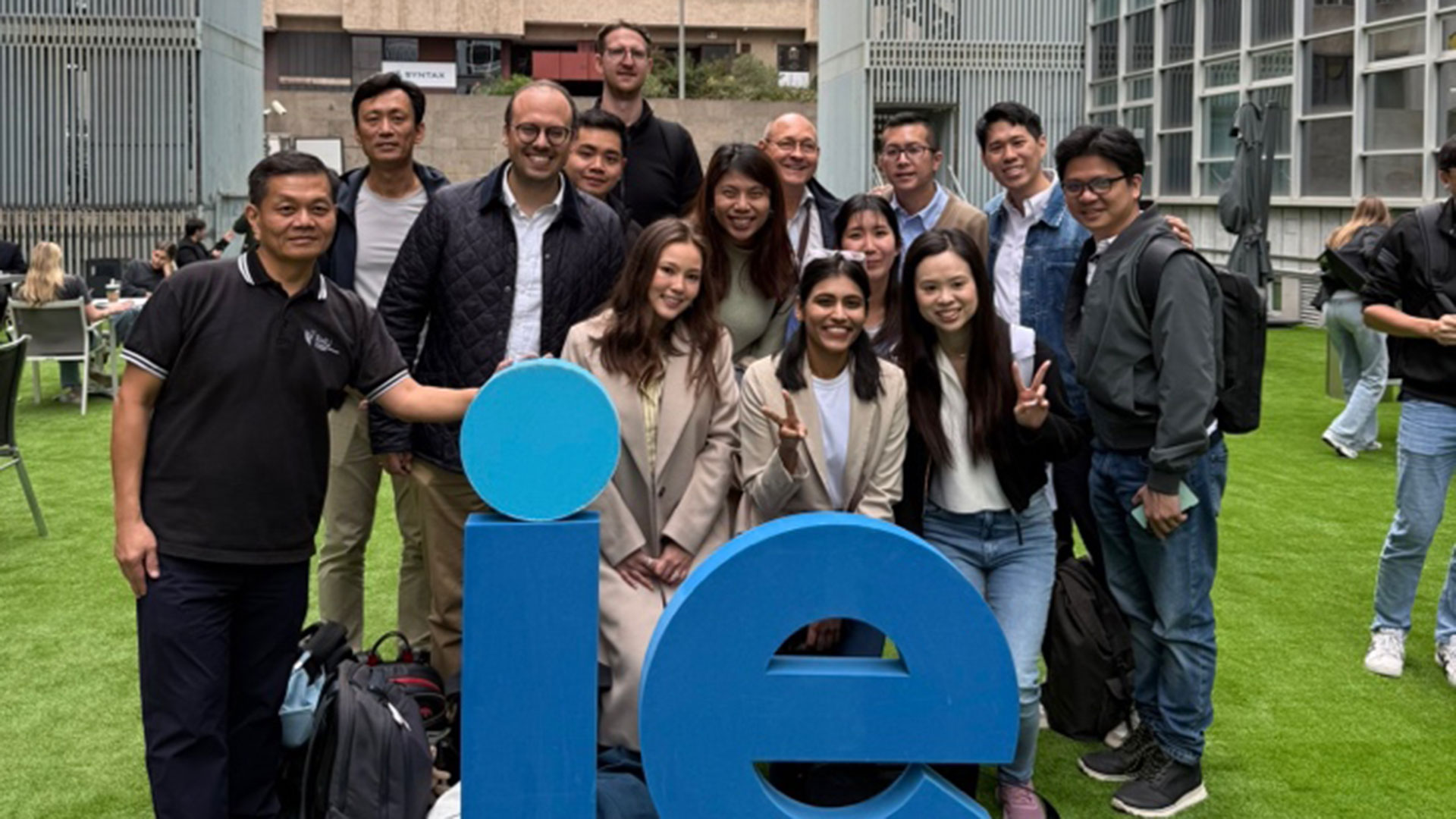
Allister’s stories from the cohort’s overseas immersion trip to Jakarta and exchange trip to IE University, Madrid spoke volumes of how he was able to immerse himself in different cultures.
In Jakarta, he saw how culture, politics and local sensitivities shape business decisions - insights impossible to pick up from textbooks. It was his first time witnessing Southeast Asian markets from the inside. In Madrid, he experienced what he called a “one-week hackathon”: learning a new framework on Monday and building a real-world strategy by Friday with classmates he had just met. The mix of intensity, teamwork, humour and late-night brainstorming reshaped his understanding of how fast people can build something together when trust forms quickly.
Balancing Family, Study and Work: A Year That Tested And Strengthened Him
Behind the scenes, Allister was juggling marriage, internship deadlines, classes and personal commitments. He called it “a stretch”, but he also described it as the most fulfilling year of his adult life. He planned intentionally by building routines that allowed him to show up fully in every part of his life. “It was pressure,” he said. “But meaningful pressure. The kind that shapes you.”
The Cohort That Became His Community
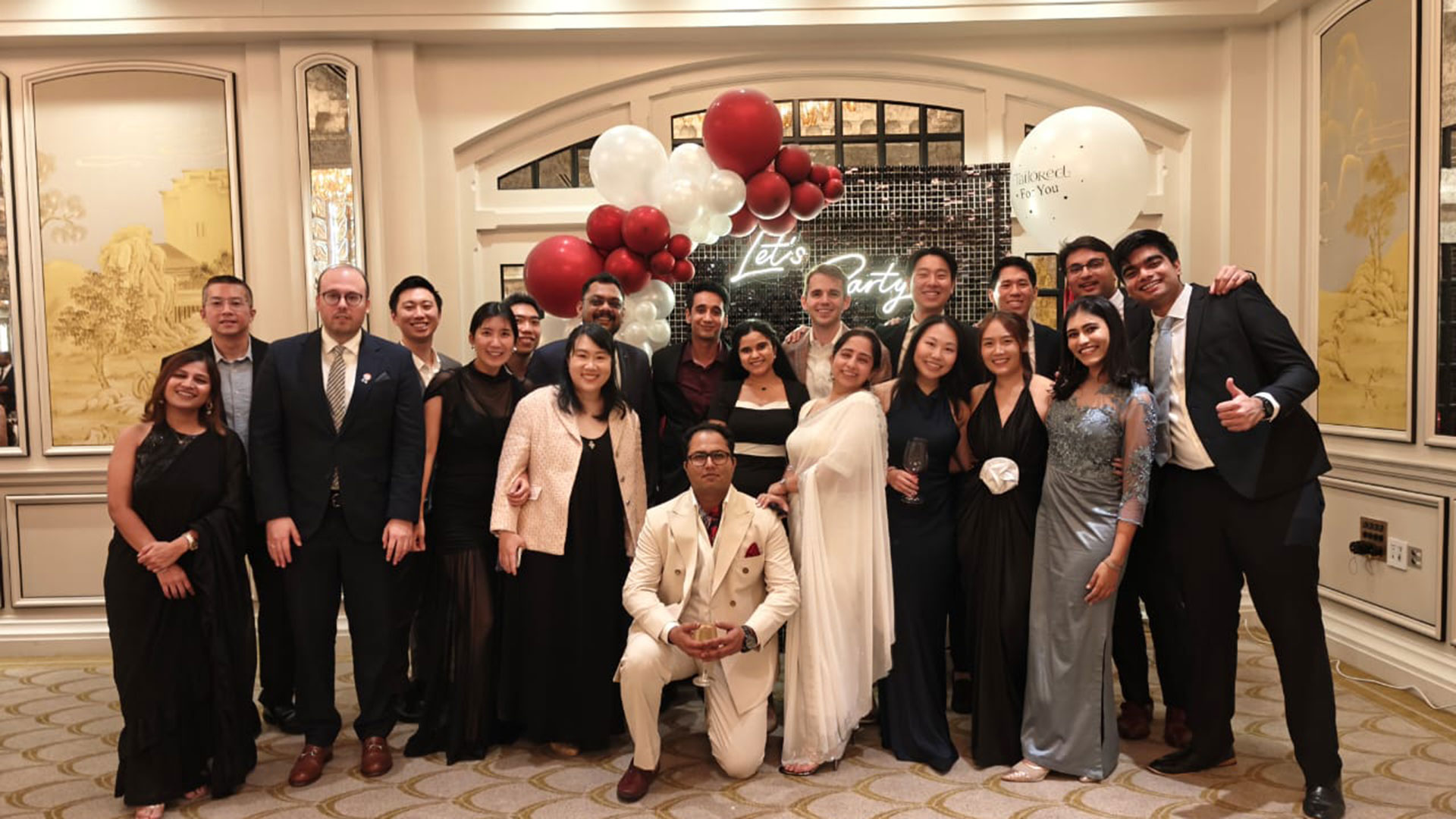
When he talked about his classmates, his voice shifted. There was warmth, gratitude, and a sense of awe. He spoke about the generosity of the cohort - how no one withheld notes, how everyone helped each other, how competition never overshadowed community.
He spoke about faculty who encouraged him to speak up even when he wasn’t sure he had the “right” answer. He spoke about industry speakers who showed success not in dollars but in values. “I’ve never been in a place where I learnt so much from my classmates,” he said. “They changed me as much as the MBA programme did.”
The Leader He Has Become
Now, as Allister returns to healthcare to take on a leadership role, he carries back more than tools and frameworks, in the form of an overarching new philosophy of creating cultures of trust over compliance and building teams that value diversity of opinions.
His MBA journey is not only a personal transformation, but a reflection of how cross-industry learning can strengthen leadership within complex public systems.
Allister aims to ‘listen’ before he leads and view multiple visions as strengths his team can benefit from.
“I came to the MBA to gain skills,” he said. “But the biggest transformation was internal. I became a better leader because I became a better person.”