




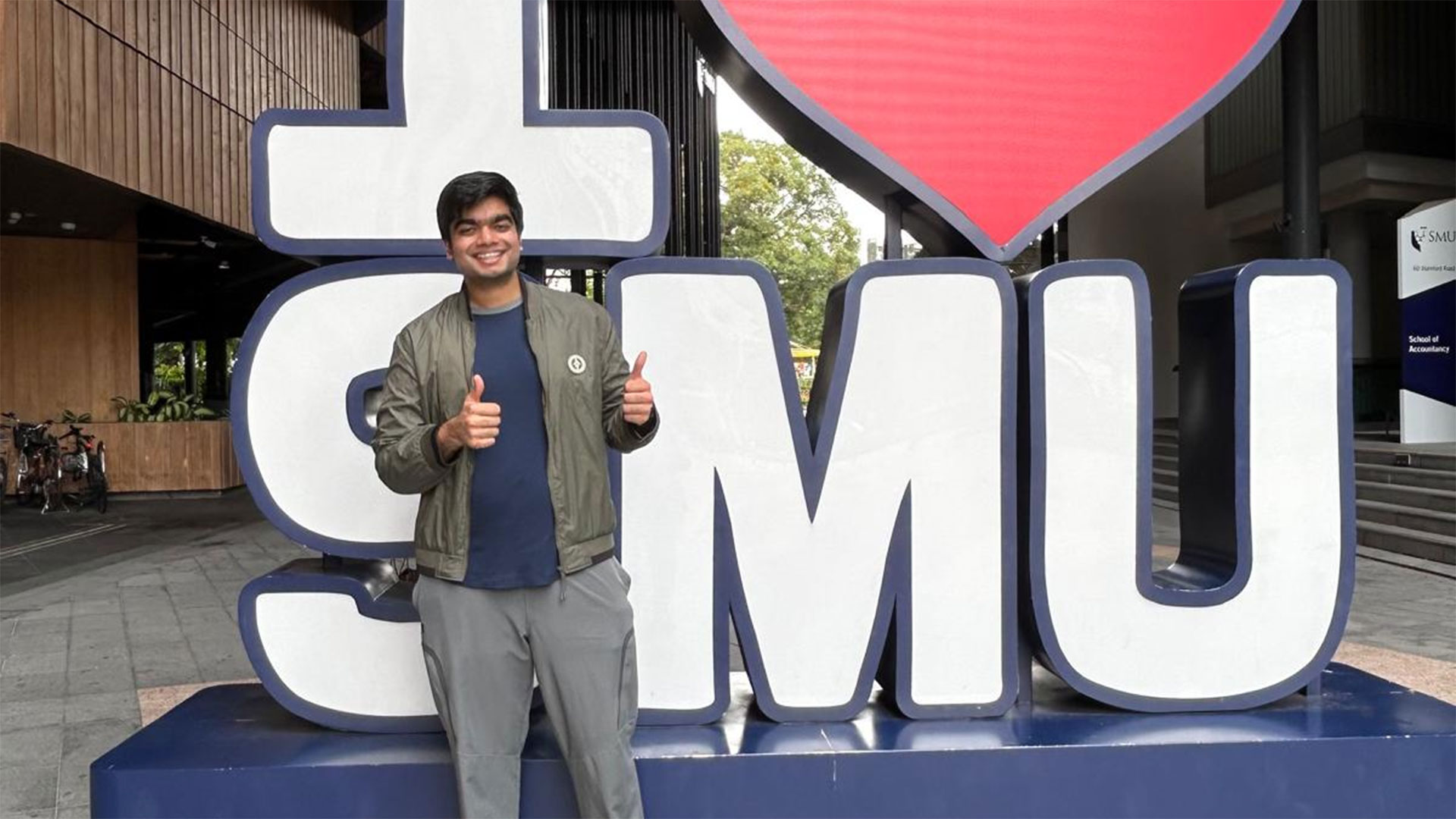
Before the MBA, Sheetanshu Mathur’s world was defined by precision: service requests, escalations, troubleshooting pathways, and client expectations. Four years in IT services at Tata Consulting Services split between India and the US, had trained him to think in structured loops - identify the bug, resolving the issue, and moving to the next problem to solve.
“I was always dealing with problems,” he says. “You have a customer, you have an issue, and you fix it. That was my job.” Useful, yes. But Sheetanshu felt his function was rather linear and predictable.
What he was looking for was something far beyond a promotion or team change; it was a different orbit altogether - one that would force him beyond the comfort of process flows and help him understand how business decisions get made, why problems emerge in the first place, and what it means to lead in markets far bigger and more ambiguous than any IT project room.
The SMU MBA became that pivot.
Why Singapore, Why Now
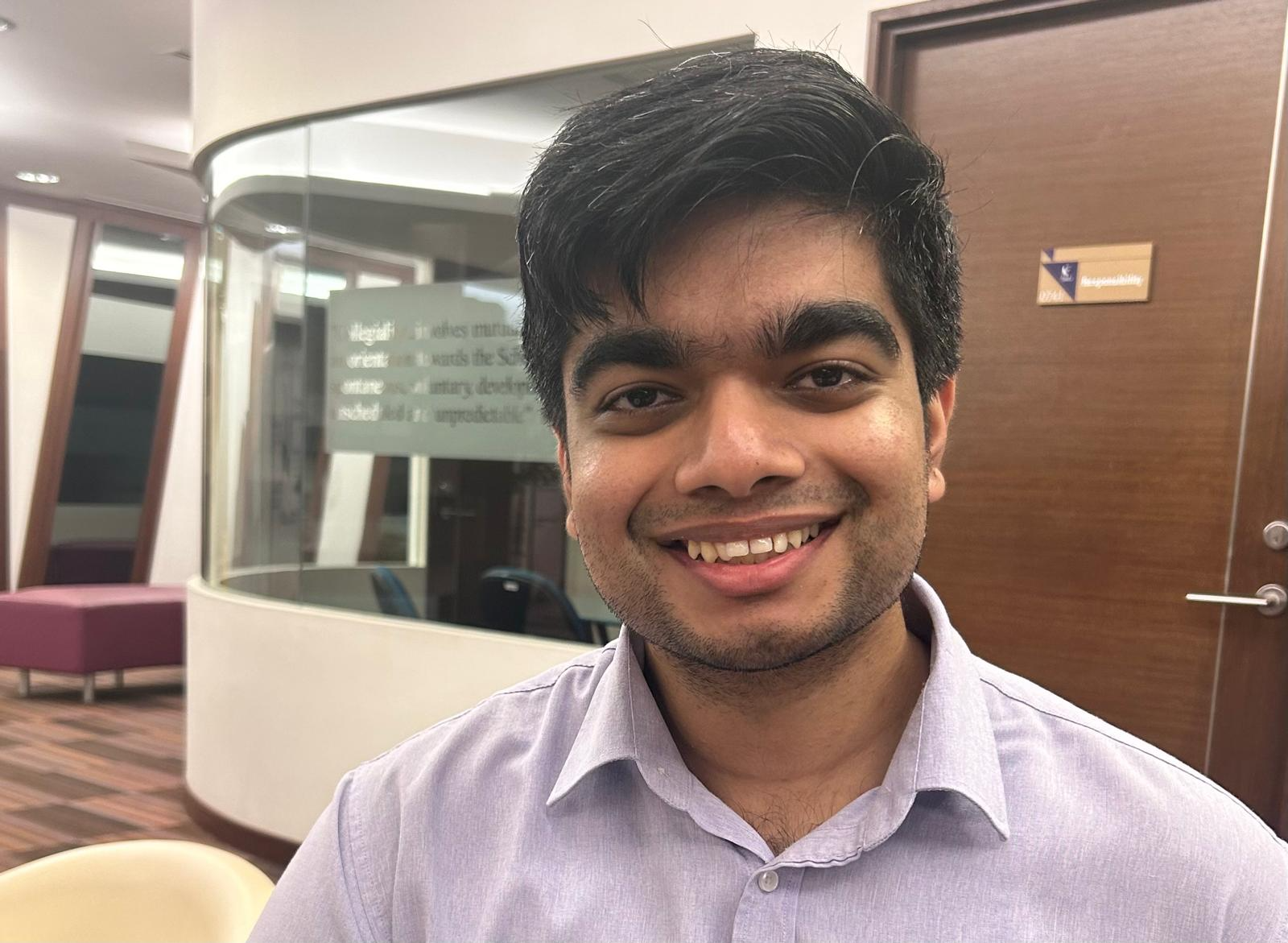 By the time he decided to take the leap, Sheetanshu had lived in the US and India. But there was one region he believed would matter most to his career long-term: APAC. “The APAC market was always intriguing to me,” he says. “When I finally had to decide, it was clear that Singapore was the place I wanted to be at, to truly understand the depth of business functions across Asia.”
His connection to the city wasn’t incidental. Having lived in Singapore during his formative early years, returning felt less like relocation and more like stepping back into a familiar rhythm. But this time, the intention was sharper because he was stepping into a region where cross-border business moves fast, consumer expectations change even faster, and talent from every major industry blends in one place.
That dynamism was exactly the reset he was looking for.
Relearning the Basics: From Linear Problem Solving to Business Thinking
Coming into the MBA programme, Sheetanshu carried a quiet concern that many technical professionals face but rarely articulate: Would his IT experience translate? Would he be able to engage in conversations about corporate strategy, finance, supply chains, or leadership with people whose backgrounds spanned banking, consulting, healthcare, policy, and even the military?
“I used to be a very risk-averse individual,” he says. “Twelve months ago, I never would have taken a risk if I didn’t have to.”
That mindset didn’t even survive the first week of his MBA programme.
The first turning point was exposure. Suddenly, he found himself going beyond fixing problems to learning how to frame them. He was working with people who looked at the same issue and saw entirely different root causes and pathways.
“The programme offers you a diversity of perspectives which allows you to start breaking problems down systematically,” he explains. “That’s something I didn’t have confidence in before. Now I can have a business-level conversation and stay in it.”
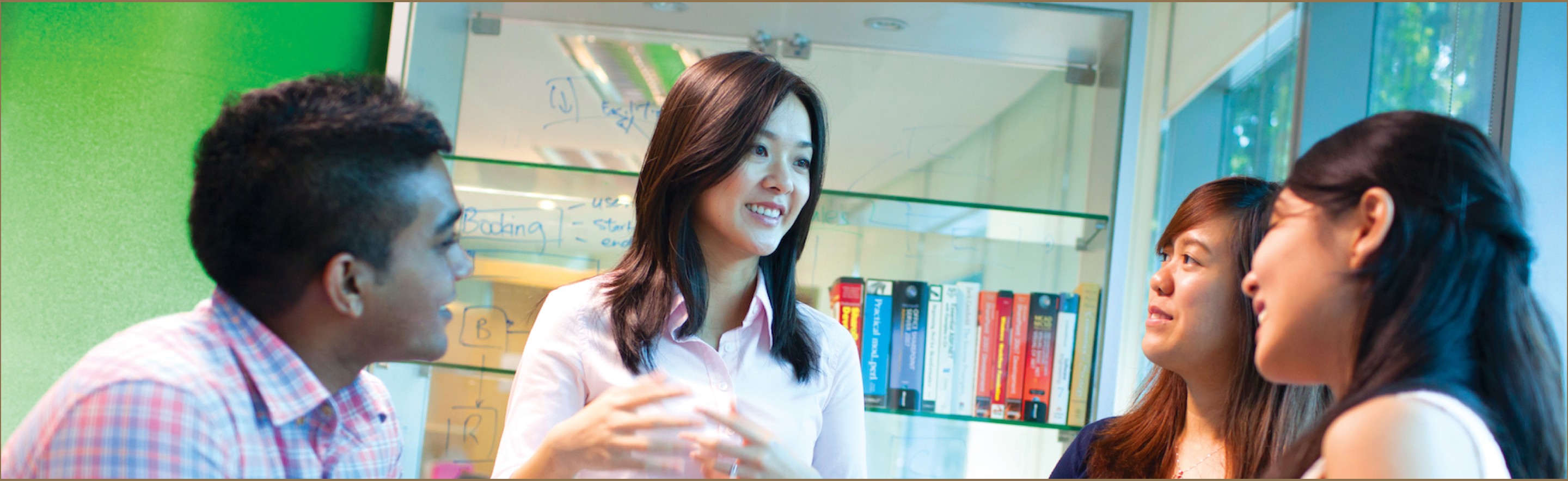
A large part of that shift came from team dynamics. SMU’s MBA classrooms are structured around high-interaction seminars, multi-stage case discussions, and group projects that demand negotiation, influence, and clarity. You can’t hide behind a function; you need to articulate a view. That forced transparency helped him build confidence.
An Internship That Became Its Own Classroom
For most students, the internship is a test of skills. For Sheetanshu, it became the proving ground he didn’t know he needed. He interacted with over 150 stakeholders during the course of his 20-week internship at Tata Consulting Services, Singapore – a number far beyond what he expected or had handled in any previous role.
“The one skill the MBA has given me, is the ability to keep a business conversation going… I didn’t have that confidence before,” he says. Complexity, instead of being intimidating, became navigable. He learned how to shape conversations, guide decision-makers, and challenge assumptions without overstepping.
Those were not IT skills, but leadership skills. And for someone who once played safe, the jump was significant.
The Shift From Risk-Averse to Risk-Ready
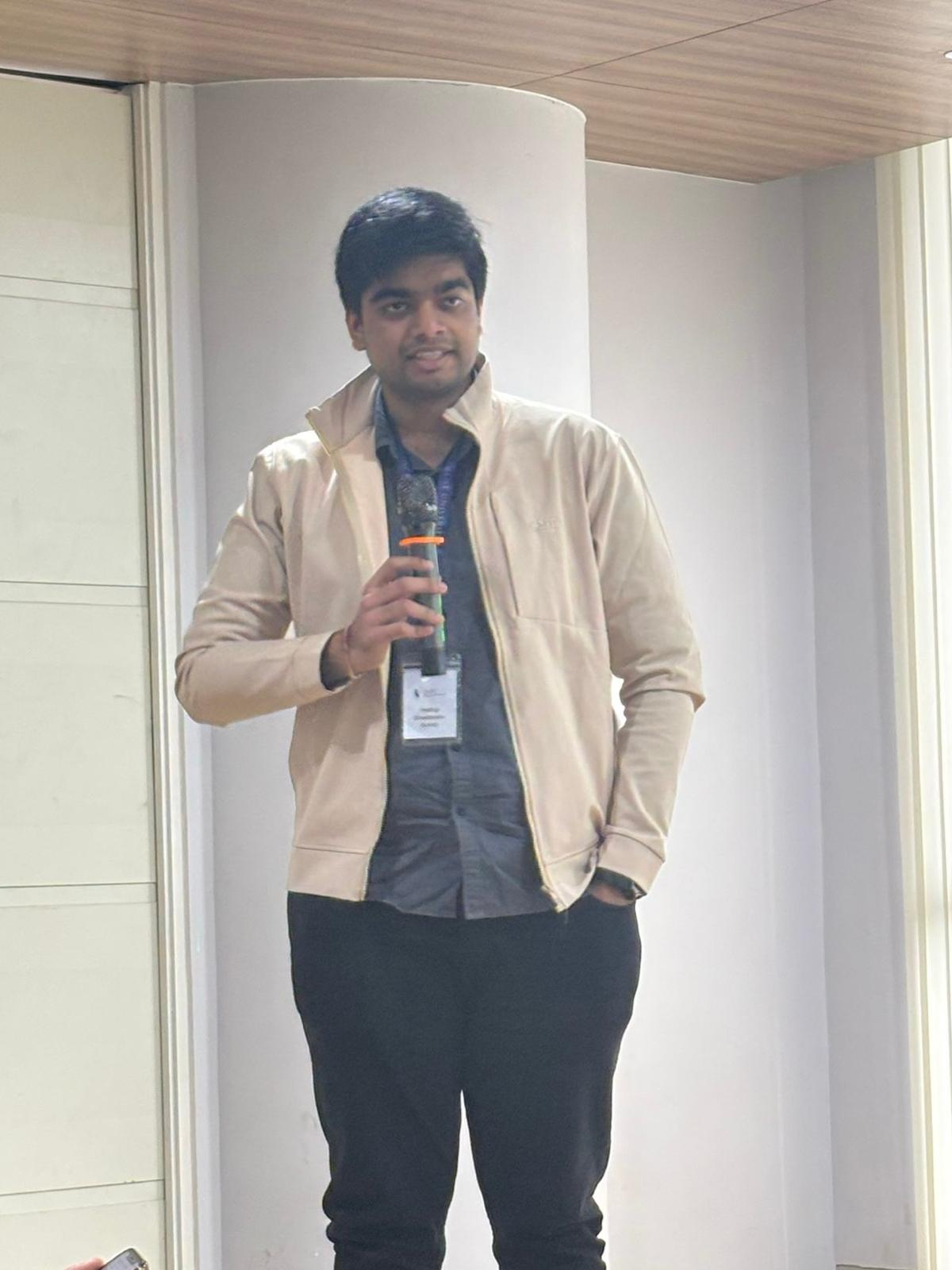
If there’s a thread running through Sheetanshu’s reflections, it is this: the MBA expanded his appetite for risk - not recklessness, but the kind of calibrated risk that drives careers forward.
“In my previous role, I was hesitant to make a move that seemed risky, but today, being in a dynamic classroom environment has enabled me to develop a strong internal confidence that allows me to think and speak – and accept other perspectives. Learning frameworks, engaging in classroom discussions and group assignments, and iterative thinking have allowed me to deal with any type of situation,” he says. “It’s about systematically breaking things down.”
This shift from doubt to structure, from avoidance to engagement, is what he credits as the most significant personal growth the MBA catalysed.
Networking That Happens Because You’re Willing to Show Up
Some people network strategically. Sheetanshu networks naturally.
Before the MBA, his exposure to diverse industries was limited. After the MBA, he found himself in conversations with professionals from pharmaceuticals, private equity, sustainability, public policy, media, and consulting - sometimes over projects, sometimes over coffee, sometimes because the campus sits in the middle of the city and spontaneous gatherings happen every other evening.
“I never had the opportunity to talk to so many people,” he says. “In the last one year… I’ve just had an amazing time interacting with different individuals, casually talking, learning from their experiences.” This networking went far beyond transactional to being an immersion of classroom debates, cohort meetups, employer events, alumni interactions, and Singapore’s characteristically open professional culture. All of these interactions have helped him significantly broaden his worldview.
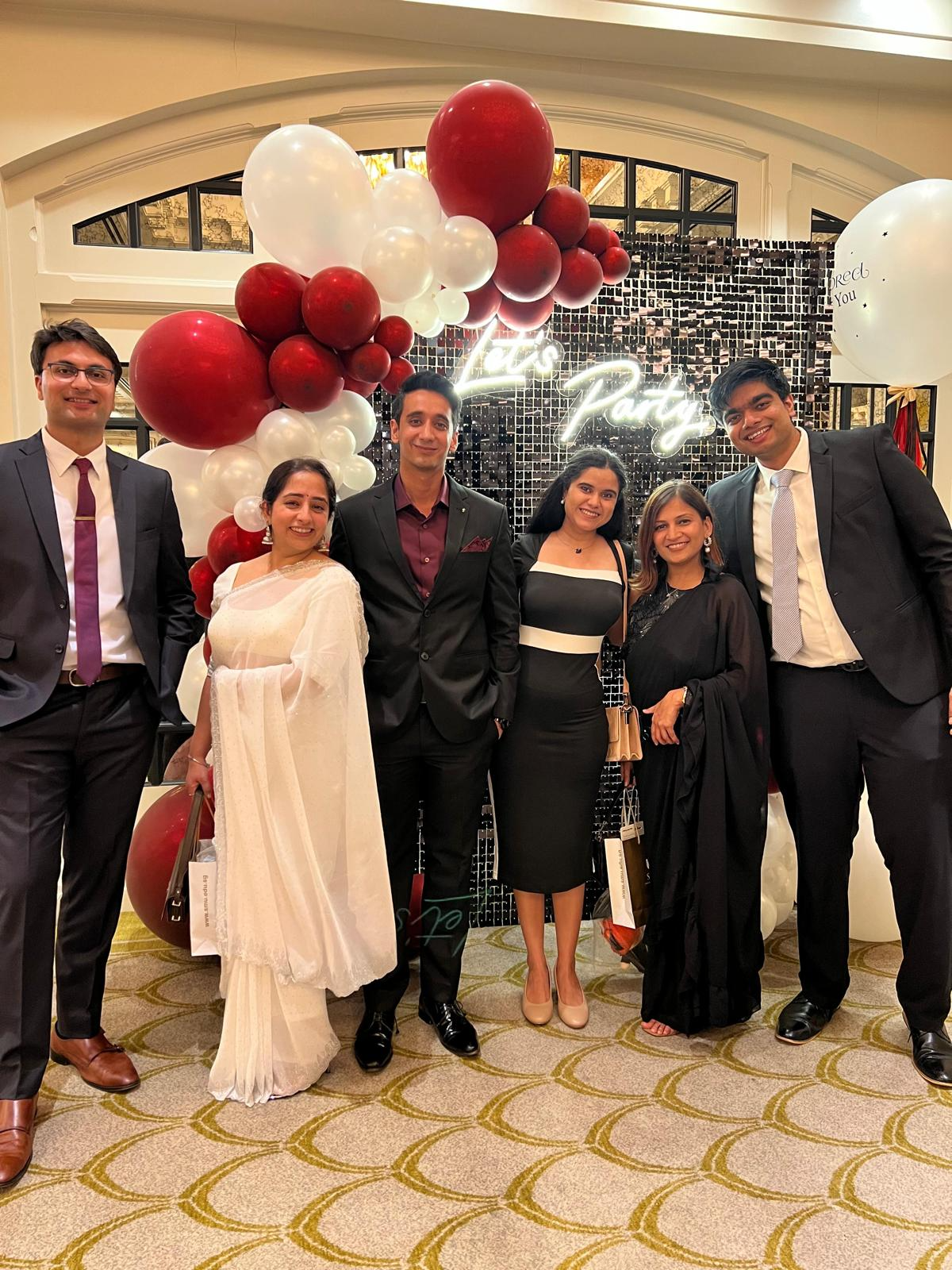
How the MBA Reframed His Next Chapter
For someone preparing to pivot into APAC’s business ecosystem, the year wasn’t just about academic content but about proving to himself that he could operate beyond the boundaries of a purely technical role.
Sheetanshu's biggest takeaway? “Wherever you are, there’s always scope to improve yourself. Whatever opportunities you get in this MBA program - just grab them with both hands.” He speaks about it almost as a philosophy: growth happens when you decide to stop playing safe.
He also sees the next chapter, whether in corporate roles or something entrepreneurial, a different mindset. “The programme has allowed me to think through the lens of what more can I offer? What more can I learn? There is no limit.”
His Message to Future Students: Take the Leap
If there’s one part of his journey he wants future candidates to understand, it’s this: “Take the leap of faith… learn what you can… and see how well you flourish after this one year.”
He doesn’t oversell it or package it as instant transformation. Instead, he frames it the way someone who has lived across multiple markets and industries would: as a high-return investment that rewards those who show up fully. “You don’t get these opportunities easily,” he says. “So make the most of every talk, every event, every interaction.”
And then, almost as an afterthought, he adds the line that captures the year perfectly: “It’s sometimes tough to fathom that the year is almost over… but there are many more great things to come.”
You can connect with Sheetanshu Mathur on Linkedin here.