




At SMU, an education in finance goes beyond the classroom to becoming a between knowledge, application, and career transformation. This came through vividly during a recent MAF and MQF information session, where alumni Ng Kian Boon and Srinidhee Shastry shared how SMU shaped their professional journeys in distinct yet connected ways.
For Ng Kian Boon, now an Adjunct Professor at SMU and graduate of the Master of Quantitative Finance (MQF) Class of 2014, the programme became a launchpad for a career that blends analytics, academia, and practice. He described how the MQF helped him “connect the dots between financial theory and the decisions that drive markets.” The mix of rigorous quantitative training and hands-on projects, he said, built a foundation that prepared him not just for industry roles but for mentoring others. “The MQF doesn’t just train you to use models,” he explained. “It trains you to understand why those models matter in real-world finance.”
Across the panel, Srinidhee Shastry, an Associate in Global Structuring at PwC Singapore and MAF Class of 2025, offered the perspective of someone living that transformation today. Coming from a non-finance background, she joined the Master of Applied Finance (MAF) programme to deepen her technical expertise and broaden her career horizons. “I wanted a programme that challenged me to think strategically about finance while still being connected to practice,” she said. “At SMU, you learn from professors who bring live market perspectives into the classroom.”
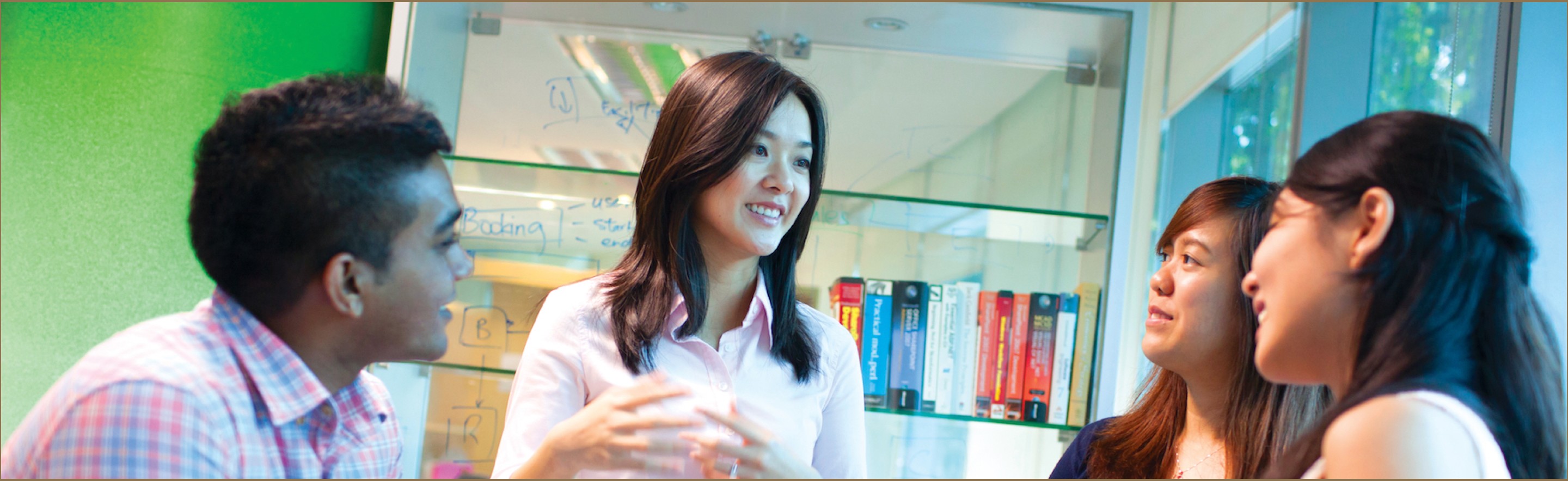
Both alumni pointed to SMU’s hallmark - its interactive, practitioner-led teaching. Rather than passive lectures, classes are built around debate, casework, and collaboration. Srinidhee noted that the diversity of classmates sharpened her learning: “You’re sitting next to people from consulting, banking, and engineering backgrounds. Every conversation expands how you see financial problems.”
For Kian Boon, this active learning environment was what distinguished SMU early on. “The discussions were intense; we were encouraged to question and critique every assumption,” he recalled. “That habit of intellectual curiosity stays with you long after graduation.”
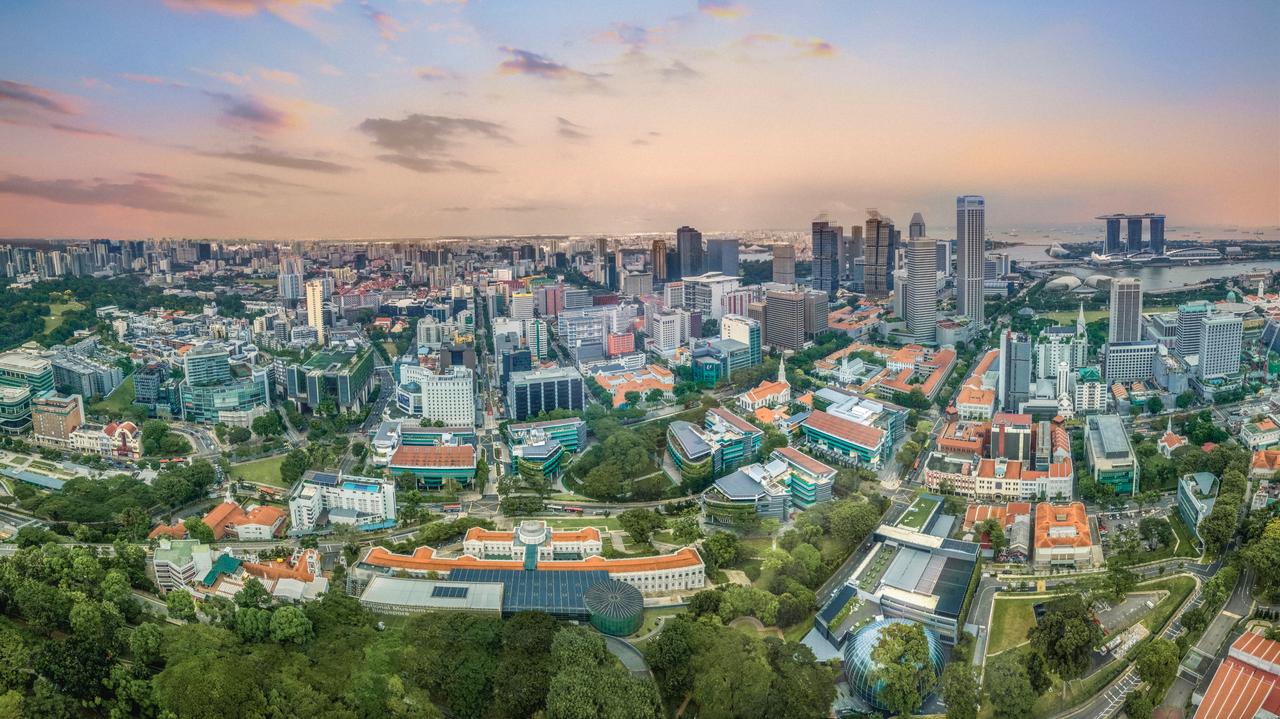
The two alumni also reflected on the career ecosystem surrounding the programmes. Srinidhee highlighted the close support of the career services team and mentorship from industry professionals. “The guidance was personal,” she shared. “From resume workshops to networking sessions, SMU helps you translate what you learn into a real career path.” For international students, she added, Singapore’s role as a financial hub gives SMU graduates exposure to global markets and opportunities.
Meanwhile, Kian Boon’s journey illustrates the long-term impact of the MQF’s analytical depth. He credited the programme’s blend of finance, programming, and risk management with preparing graduates for data-driven roles across industries. “Finance today is as much about understanding systems and probabilities as it is about managing money,” he said. “SMU teaches you to handle that complexity.”
When asked what advice they would give to prospective students, both were aligned: come ready to engage. “You get out what you put in,” Srinidhee said. “The professors are accessible, the peers are ambitious, and the conversations push you to grow - academically and professionally.”
Their stories reflect the essence of SMU’s postgraduate finance programmes: rigorous yet flexible, technical yet human. For both alumni, SMU has laid the foundation to how they now think, work, and lead in the world of finance.