




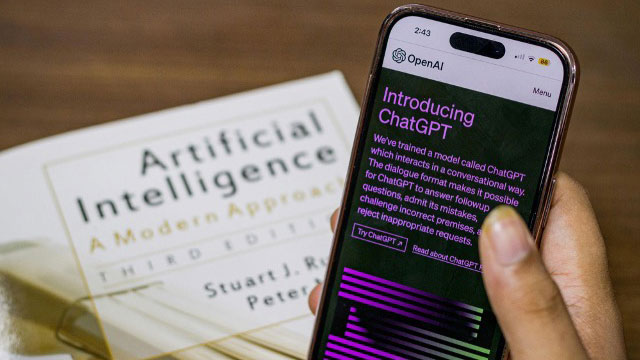
Artificial Intelligence is transforming industries at an unprecedented pace, reshaping not only the future of work but also the way students learn and prepare for their careers. At the MSc in Management (MiM) program at Singapore Management University (SMU), AI has increasingly become a part of everyday learning, helping students research, solve problems, brainstorm ideas, and work more efficiently.
As a student in the program myself, I’ve seen how these tools are becoming integrated into both academic and professional preparation. But alongside the opportunities AI brings, there is also growing emphasis on using these technologies thoughtfully, while maintaining academic integrity, critical thinking, and originality. Rather than viewing AI as a shortcut, students are encouraged to use it as a support system that enhances learning while still developing their own understanding and judgement.
AI in the classroom
The MiM curriculum has evolved rapidly in recent years to keep pace with changing industry demands and technological shifts. Across courses, students are learning not only how to work with AI-assisted tools, but also how to strengthen critical thinking and analytical skills alongside them.
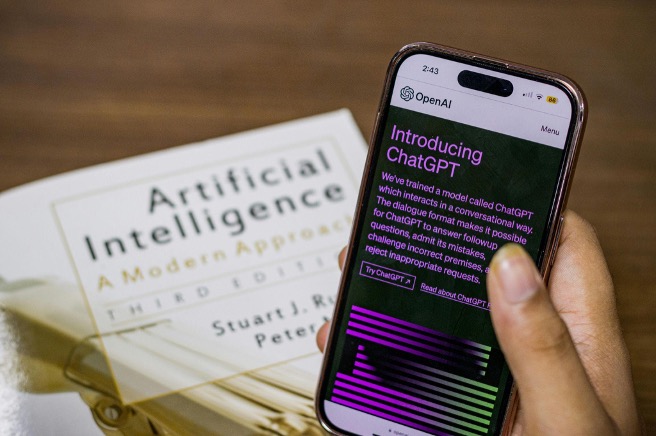
As someone from a non-technical background, I’ve personally found platforms like ChatGPT, Claude, and NotebookLM especially helpful in subjects such as Business Analytics. Whether it’s breaking down coding concepts, interpreting datasets, or working through practice problems step-by-step, these tools have made technical learning feel far more approachable. Many students in the program, particularly those transitioning from non-technical fields, have had similar experiences using AI to bridge knowledge gaps and build confidence in unfamiliar areas.
What stands out, however, is that these tools are never positioned as replacements for learning. Instead, they are encouraged as support systems that help students focus more deeply on interpretation, problem-solving, and extracting meaningful insights from data.
Zheng Zhichao (Daniel), Associate Professor of Operations Management at Singapore Management University, highlights the importance of using these tools thoughtfully:
“AI tools are increasingly part of the modern analytical workflow, so it is important for students to learn how to use them effectively and responsibly. In class, we emphasize building strong foundations while encouraging students to explore beyond the class materials to fully leverage AI capabilities, but without relying on them blindly. This helps students develop the analytical and critical judgment needed to work with AI in real decision-making contexts.”
Enhancing Learning and Creativity
Beyond technical learning, AI has also made classroom experiences more interactive and creative. In subjects like Marketing, for instance, students participate in flipped classroom sessions where they take on the role of educators and teach concepts to their peers. In these situations, AI can be particularly useful for brainstorming ideas, structuring presentations, or creating visuals and videos that make learning more engaging.
I have also found AI helpful while conducting research or exploring concepts beyond classroom discussions. Tools like NotebookLM, for example, make it easier to interact with readings, ask follow-up questions, and understand topics in greater depth. Instead of spending hours searching across multiple sources, students are often able to focus more on analysis and application.
At the same time, there is strong emphasis within the MiM program on maintaining academic integrity and originality. Students are required to declare the AI platforms and prompts used in assignments, reinforcing transparency in the learning process. Faculty members also play an important role in helping students understand where to draw the line between assistance and over reliance.
Sabine Benoit, Professor of Marketing (Practice) and Associate Dean for Impact at the Lee Kong Chian School of Business (LKCSB), Singapore Management University, emphasizes the importance of preparing students for an evolving workplace:
“As a university it is our job to prepare students for a dramatically changing job market. Therefore, we should actively embrace AI tools and teach students a responsible usage of them. They should understand and actively experience how it can augment (but not replace) their thinking. I personally integrate various AI related content but also tools they can use to experiment.”
AI Tools & Research Resources
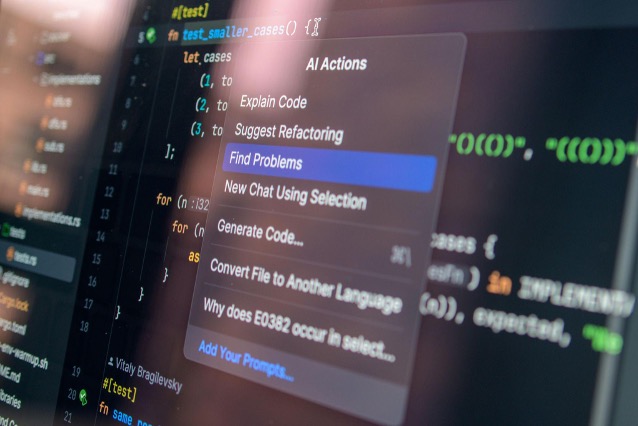
Beyond the classroom, SMU also provides students with access to a range of research and learning tools that make academic work more efficient and accessible. One resource that has stood out to many students is Consensus, an AI-powered literature review platform that helps users quickly identify insights from academic research. Tools like LibKey Nomad have further simplified the research process by providing seamless access to journal articles, e-books, and databases directly from the web.
What I’ve found particularly valuable is that these tools are introduced alongside conversations about how to use them meaningfully. Through newsletters, workshops, and dialogue sessions, the university regularly brings together researchers, practitioners, and students to discuss how AI is being applied in areas such as writing, coding, and data analysis. Rather than focusing only on efficiency, these sessions also encourage students to think critically about the role AI should play in research and decision-making.
Together, these initiatives reflect a broader shift in how learning is evolving - not just towards faster access to information, but towards understanding how to engage with it thoughtfully.
Preparing for the Future of Work
Beyond academics, AI has also become an important part of career preparation for many MiM students. Through the SMU Career Centre, students have access to workshops, mock interview platforms, and career coaching sessions that help them build professional skills while understanding how emerging technologies are shaping recruitment and workplace expectations.
One resource students frequently use is VMock, which provides structured feedback on resumes and interview performance. In addition, students have full access to LinkedIn Learning, including AI-powered coaching tools and courses that explore both technical and professional development. Courses such as AI-Enhanced Leadership Development and Everyday Productivity with Claude Co-Work offer practical insights into how AI can support communication, productivity, and leadership in professional environments.
What makes these resources especially useful is that they focus not just on technical proficiency, but also on adaptability and continuous learning. As industries evolve rapidly, students are increasingly encouraged to see AI not as a replacement for human skills, but as a tool that can enhance creativity, efficiency, and decision-making when used thoughtfully.
Looking Ahead
As AI continues to reshape industries and redefine the way people work, students today are learning to navigate an environment that is evolving faster than ever before. At SMU’s MiM program, the conversation around AI goes beyond simply learning new tools - it is equally about understanding how to use them thoughtfully, critically, and responsibly.
What has stood out to me throughout this experience is that AI is not being treated as a shortcut to learning, but as a way to deepen it. Whether it is simplifying technical concepts, supporting research, enhancing creativity, or helping students prepare for careers, these technologies are gradually becoming integrated into the learning journey in meaningful ways.
At the same time, the emphasis on academic integrity, originality, and critical thinking remains constant. In many ways, that balance may be the most valuable lesson of all: learning not just how to work with AI, but how to do so without losing the human judgement, curiosity, and creativity that meaningful learning still depends on.
Geng Xuesong, Associate Professor of Strategy & Entrepreneurship and Academic Director of Master of Science in Management Programme (MiM), at the Lee Kong Chian School of Business (LKCSB), Singapore Management University, emphasizes the importance of integration between domain expertise and AI-readiness for future employability.
At MiM program, we have woven a new generation of practical AI-focused courses into our curriculum to equip students well for a workplace that is rapidly becoming AI-native, where traditional roles are being transformed and entirely new ones are emerging. We believe that future success depends on both deep domain expertise and solid AI-readiness. And yet, it is precisely in this era of AI abundance that the fundamental capacities — critical thinking, entrepreneurial vision, ethical judgment, and the ability to communicate and persuade with clarity — become the true differentiators. Our programme is therefore designed not only to teach our students about AI, but to sharpen the rigour of their thought, ground them in principle-based reasoning, and strengthen the very capabilities that no machine can replicate.