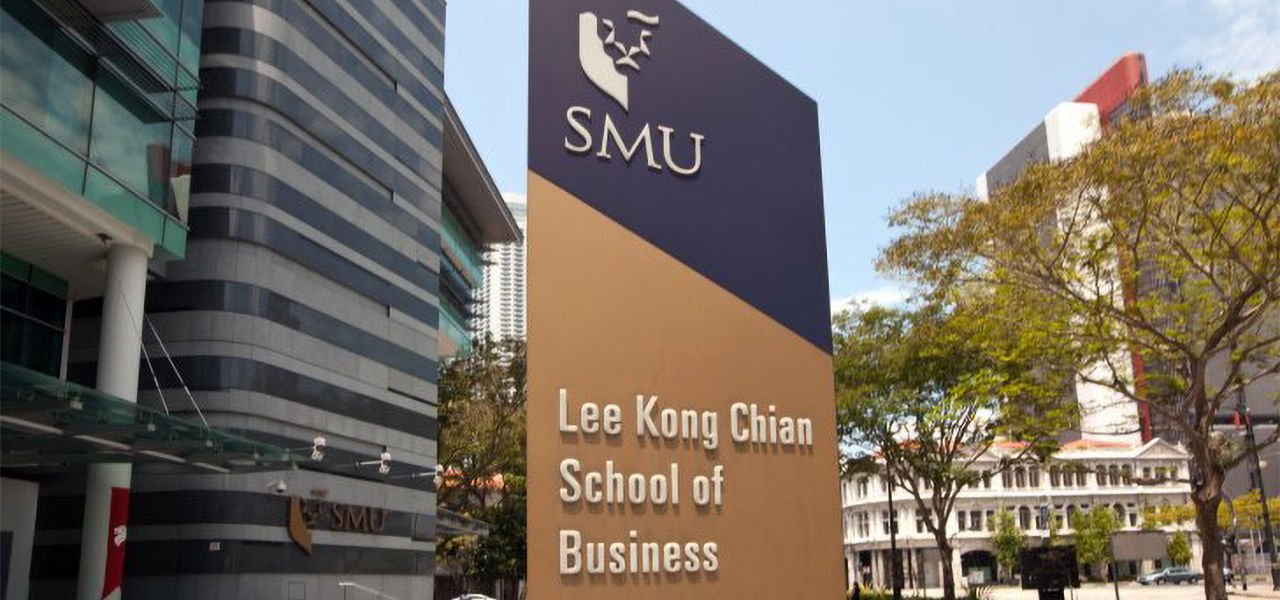






Whether you’re an incoming exchange student, a full-time undergraduate, or a postgraduate preparing to start your studies in Singapore, adjusting to a new country comes with both excitement and practical considerations. From housing and transport to food and daily spending, learning how to navigate costs early on can make your student experience smoother and more enjoyable.
Fortunately, Singapore is a place where efficiency meets variety, offering lifestyle options that can suit students with different priorities, preferences, and spending patterns. In this article, we’ll explore some of the key aspects of living as a student in Singapore, including housing, transport, food, and spending hacks. Then, we’ll take a look at how three different SMU students approach their finances in their daily lives.

Housing Options: From Apartment Sharing to Serviced Residences
Students have several accommodation options in Singapore, depending on their budget and lifestyle needs:
- Apartment Sharing / Co-Living: A popular and cost-effective option. Many students share HDB or condo flats with roommates to split rent and utilities while building a sense of community.
- HDB Flats: Public housing units that are widely available across Singapore and tend to be more affordable than private residences. They are often rented out by owners directly or through agents.
- Private Studios: Great for students who prefer privacy, though generally more expensive. These are typically located in central or city-fringe neighbourhoods.
- Serviced Residences: Offer hotel-like amenities and short-term flexibility but usually come at a premium.
Note that HDB rentals typically require a minimum 6-month lease, and house rules (such as visitor limits or cooking permissions) can vary by landlord.
Consider proximity to campus when choosing housing, as this can reduce daily transport time and cost.
Getting Around: Public Transport vs Ride-Hailing
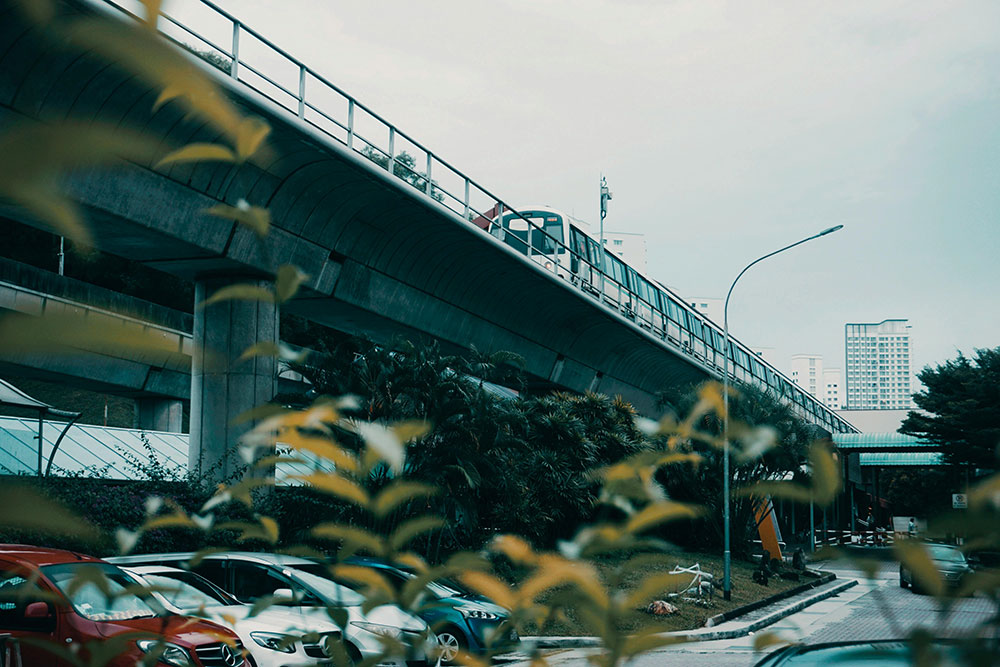
Singapore’s public transport system is ranked among the best in the world. It’s reliable, clean, and very affordable.
- MRT & Buses: The most commonly used and student-friendly option. Travel times are fast, and many areas of Singapore are well connected by these networks.
- Ride-Hailing Services: Apps like Grab, Gojek, and TADA are convenient for occasional use, especially during rainy weather or late-night commutes. However, they are more expensive than public transit.
Most students commute 20 to 40 minutes daily, and those who live near campus can easily walk or cycle.
Eating Out: Campus Cafes and Hawker Gems
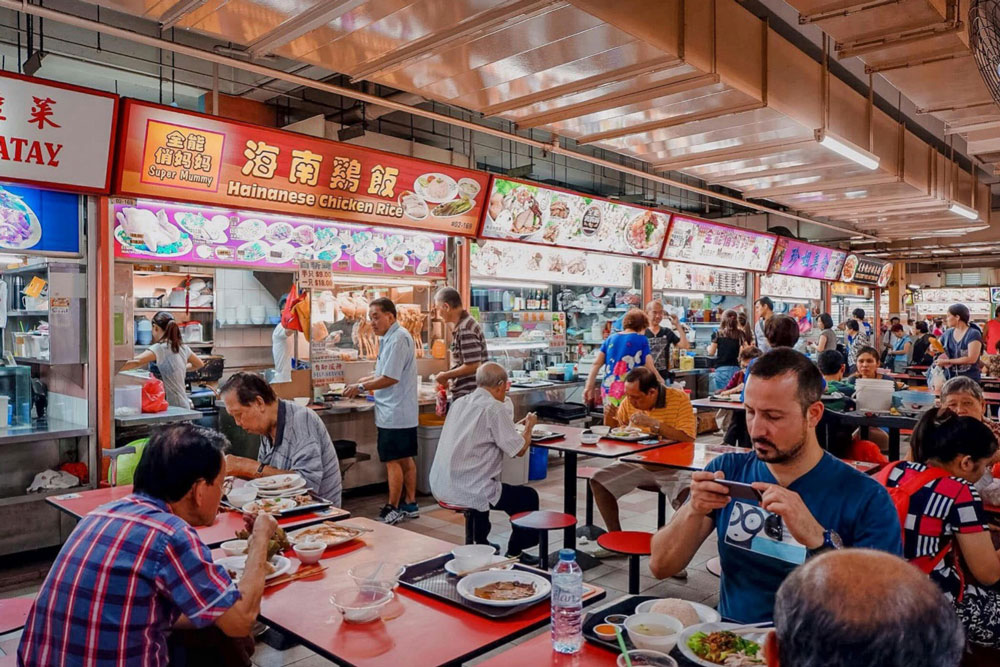
Food is a major part of Singapore’s identity, and there’s something for every budget when dining out.
- SMU Campus Eateries: Most vendors within the SMU campus offer a 10% student discount, making them a reliable choice for daily meals between classes.
- Hawker Centres: These iconic food hubs are scattered across the city and offer flavour-packed local dishes at very affordable prices.
- Delivery Deals: If you’re ordering in, platforms like GrabFood and Foodpanda often have promo codes, subscriptions, and bundle discounts that help reduce costs.
Groceries & Cooking at Home
Cooking a few meals at home or meal-prepping with flatmates can be a smart way to manage food expenses, especially when paired with strategic grocery shopping.
In Singapore, cooking isn’t always cheaper than eating out, especially if hawker meals are kept simple, so students often mix both approaches.
- Budget to mid-range options: Sheng Siong, FairPrice, and Giant are some of the most affordable places for daily essentials.
- Specialty or imported goods: Don Don Donki and Cold Storage cater to those looking for unique or premium products.
- 24/7 variety shopping: Mustafa Centre is a favourite for students who want international brands and bulk shopping at reasonable prices. It’s open all day, every day!
Smart Spending: How Students Save
Singapore offers plenty of ways to stretch your dollars:
- E-commerce Sales: Platforms like Shopee and Lazada run major sales on dates like 9.9, 10.10, 11.11, and year-end clearances.
- Second-Hand Platforms: Facebook Marketplace and Carousell are great for furniture, electronics, and textbooks.
- Student Discounts and Cashback Tools: Students can save through discount platforms like UNiDAYS and Eatigo, as well as cashback/payment tools such as FavePay and ShopBack.
From software subscriptions to bubble tea chains, a little digging can unlock discounts in surprising places.
How Three SMU Students Navigate Living Costs in Singapore
Student spending in Singapore can vary widely depending on lifestyle choices, housing preferences, and personal priorities. In this section, we take a closer look at how three SMU students manage their monthly expenses across different spending ranges (all prices listed in SGD), along with the practical hacks they’ve discovered along the way.
Student 1 - The Resourceful Minimalist (S$2345-S$2520):
• Rent: $1,500
• Groceries: $200–250
• Eating Out: $200–250
• Transport: $80–100
• Phone Bill: $15–20
• Leisure/Entertainment: $250–300
• Shopping/Personal Care: $100
Tips: “Use a Foodpanda subscription to save on delivery fees if you find yourself ordering food fairly often. Getting a part-time job also helps with flexibility in spending while also adding to your resume.”
Student 2 - The Balanced Spender (S$3,670 – S$3,805):
• Rent: $2,000
• Groceries: $600
• Eating Out: $400–500
• Transport: $100–120
• Phone Bill: $20–35
• Leisure/Entertainment: $300
• Shopping/Personal Care: $250
Tips: “Rent is my biggest cost. If you're okay with a shared HDB or a slightly less central location, you can save significantly. Hawker centres are often more affordable than cooking unless you keep meals super simple. Staying consistent and limiting entertainment spending really helps.”
Not all student lifestyles are driven by minimisation, some prioritise convenience and comfort, even at a higher cost.
Student 3 - The Convenience-First Student (S$4,070 – S$4,370):
• Rent: $2,800
• Groceries + Eating: $600–650
• Transport: $30 (I walk to all my classes since I live very close to the university)
• Phone Bill: $40
• Leisure/Entertainment: $400–500
• Shopping/Personal Care: $200–350
Tips: “Stall food is underrated; some cheap places serve great meals. I don’t track things too tightly, but my proximity to school means I save a lot on transport since I walk to all of my classes.”
Key Takeaways
Singapore offers a unique environment for students to shape a lifestyle that fits both their goals and their spending comfort. With its efficient infrastructure, diverse neighbourhoods, and wide range of food, housing, and transport choices, students can make thoughtful decisions based on what matters most to them—whether that is convenience, community, comfort, or cost efficiency.
Living here as a student is ultimately about balance. Whether it is planning your weekly grocery run, choosing when to splurge on a meal out, or taking advantage of cashback apps and seasonal sales, the everyday choices add up. As we have seen from the students featured, there is no single “right” way to manage your finances. What matters most is building a routine that feels sustainable, realistic, and supportive of the life you want to build during your time at SMU.