





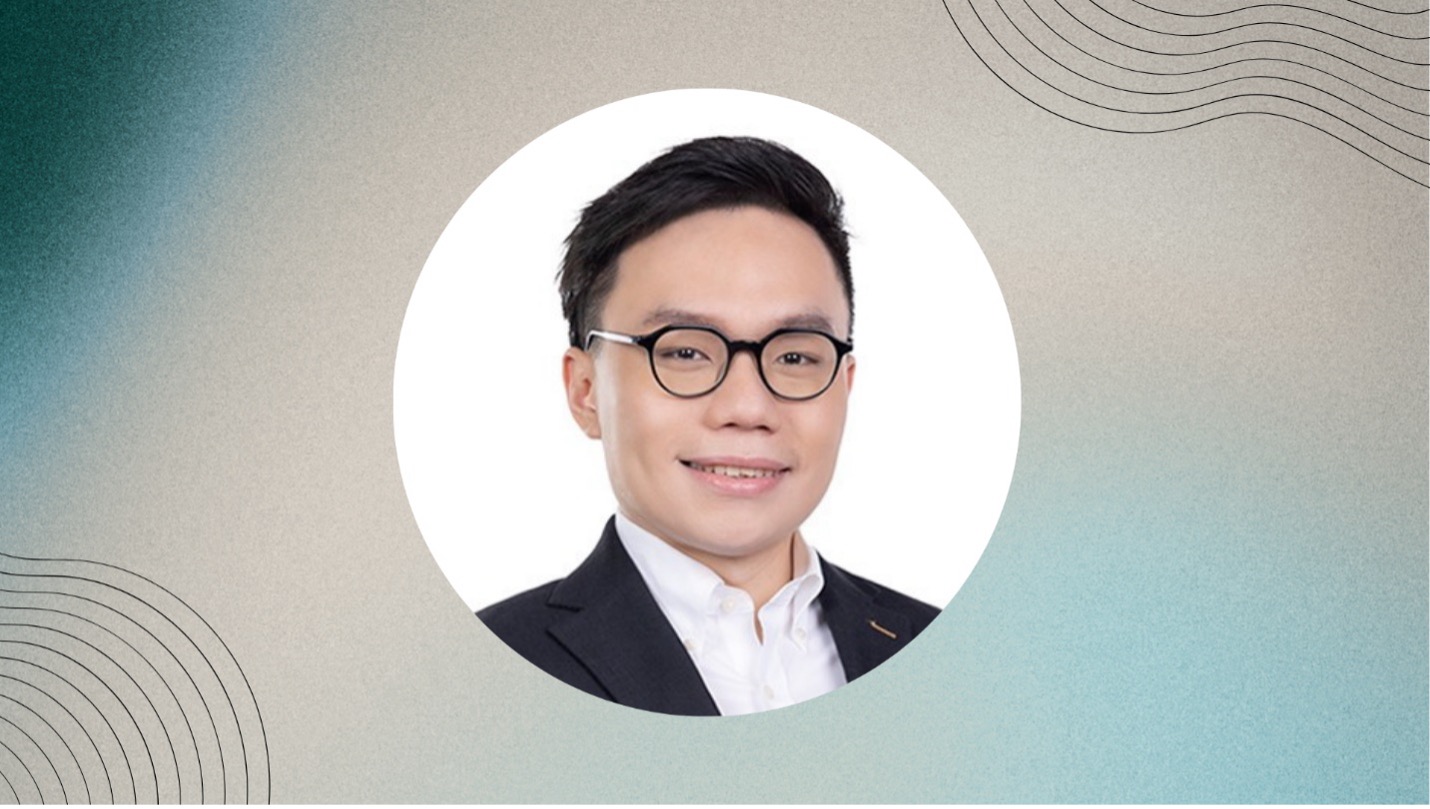
Eko Widianto did not begin his career in finance. With a background in engineering and artificial intelligence, his early experiences were rooted in analytical thinking, programming, and problem solving. Yet beneath the technical foundation was a growing fascination with financial markets and the fast-paced nature of global trading.
Today, Eko works as an EM FX Trader at Bank of America, having successfully transitioned into Global Markets through the SMU Master of Science in Quantitative Finance (MQF) programme. His journey reflects not only the evolving demands of modern financial markets, but also how professionals from engineering and technology backgrounds can successfully reposition themselves for front office finance careers with the right combination of technical training, market exposure, and industry readiness.
“What excites me most is being at the forefront of global developments and seeing firsthand how markets react in real time,” Eko shares.
Although he already possessed strong analytical and programming skills, Eko quickly realised that transitioning into institutional finance required far more than technical capability alone. He lacked formal exposure to financial products, macroeconomics, pricing frameworks, and the mechanics of how markets operate in practice.
This was where MQF became the critical bridge.
Designed to combine rigorous quantitative training with strong practical market relevance, the programme helped Eko build a comprehensive understanding of derivatives, risk management, statistical modelling, and trading applications within real market contexts. More importantly, the programme exposed him to faculty members who brought both academic expertise and direct industry experience into the classroom.
“What made the learning experience especially valuable was how grounded it felt in actual market practice,” he explains. “The faculty were able to connect theory to how markets and trading desks really function.”
For many prospective students considering MQF, one common concern is whether they are “technical enough” to succeed, particularly when it comes to programming and quantitative coursework. Eko believes this concern is often overstated.
“I do not think students need to come in as highly advanced programmers,” he says. “What matters far more is curiosity, adaptability, and the willingness to learn.”
He credits MQF’s structure for creating an environment where students from diverse academic and professional backgrounds are able to progressively build both technical and financial competencies. Foundational programming modules and industry focused coursework allowed students to strengthen skills systematically while remaining connected to practical applications in finance.
Ironically, despite his engineering background, the area Eko focused most on strengthening during MQF was market intuition.
“Understanding markets requires genuine curiosity and consistent effort outside the classroom,” he reflects. “Developing real market awareness comes from actively following global developments and engaging with the markets regularly.”
This balance between technical rigour and real-world market understanding became one of the defining aspects of his MQF experience.
Across modules covering derivatives, options pricing, exotic products, risk analysis, and statistical modelling, Eko developed not just technical competency, but also a more systematic way of thinking about trading strategies and risk management. He found the curriculum highly aligned with how institutional finance actually operates.
“Each course contributed differently, but together they built a much more holistic understanding of financial markets,” he says.
The programme also played a key role in helping Eko position himself competitively for front office opportunities, an area often perceived as highly difficult for career switchers to break into.
According to Eko, what mattered most during recruitment was having clarity around his motivations and demonstrating that his transition into finance was intentional.
“I was able to show that this was a deliberate transition rather than just an exploratory move,” he explains. “Beyond technical skills, qualities like curiosity, humility, willingness to learn, and tenacity mattered just as much.”
Importantly, MQF also gave him exposure to projects, industry conversations, and practical experiences that strengthened both his confidence and ability to communicate his interest in markets during interviews.
Recognising how competitive Global Markets recruitment cycles can be, Eko began applying for internships shortly after starting the programme. That proactive approach eventually led him to Bank of America, where he joined as an intern and rotated across multiple teams within Global Markets before finding his fit within Asia FX trading. He later secured a full-time conversion into his current role as an EM FX Trader.
His journey highlights how MQF not only equips students with technical foundations but also accelerates exposure to industry opportunities and prepares them to navigate highly competitive recruitment environments.
Like many MQF students, Eko pursued the programme while balancing full-time work commitments. Adjusting back to academic intensity after years in the workforce was not easy, but he believes succeeding in MQF is ultimately less about having the perfect background and more about having the right mindset.
“Being curious, proactive, open to learning, and willing to continuously push yourself outside your comfort zone matters far more,” he says.
Today, Eko’s journey reflects a growing reality within modern finance: professionals from engineering, AI, and quantitative disciplines are increasingly valuable within global markets, especially as trading and financial institutions become more data driven and technology focused.
For professionals considering a similar transition into finance, Eko offers a reassuring perspective.
“Even though transitioning into finance from a non-traditional background can feel uncertain at times, it is definitely possible,” he says. “MQF provides a strong platform and support system, but ultimately it comes down to your willingness to learn, adapt, and persist through the process.”